
Child-Custody-Agreements-That-Last-How-to-Create-a-Flexible-Future-Focused-Parenting-Plan-scaled.jpg

Child Custody & Parenting Plans Tailored to Your Family’s Needs

Design parenting arrangements that reduce conflict, support your children’s needs, and encourage cooperative co-parenting.

Who Should Consider a Parenting Plan?

Whether you’re separating, divorced, or were never married, a co-parenting plan is essential for raising children in two households. Rather than leaving decisions to a judge who doesn’t know your family, a parenting plan empowers you and your co-parent to design your child’s future with intention.

  • Parents seeking to co-parent in the most amicable way possible
  • Families wanting creative parenting schedules
  • Parents who want to make joint decisions about what is best for their children
  • Couples avoiding court-imposed decisions
How to Divorce in a Way That Preserves a Relationship With Your Spouse and Protects Your Children

Your Path to a Co-Parenting Plan Without Court

We help parents develop legally binding parenting plans through non-adversarial methods that protect their children’s emotional well-being and preserve relationships. Whether through collaborative divorce, mediation, or negotiation, we provide a safe and constructive environment to reach lasting solutions.

Can My Child Stay in Private School After Divorce – Understanding Best Interests and Payment Options

Child-Focused from Start to Finish

We keep your child’s well-being at the heart of every conversation, helping you make joint decisions that support their growth and security.

How Your Divorce Will Affect Your Adult Children

Designed for Long-Term Workability

Your parenting plan isn’t just about today—it’s built to evolve as your children grow and life changes, with built-in tools to revisit and revise when needed.

8I5A6648

Guided, Not Pressured

We provide a supportive, structured environment where both parents can express concerns, explore solutions, and make informed decisions together.

Why Choose a Non-Adversarial Approach?

Choosing to resolve custody and parenting plans outside of court gives your family the opportunity to avoid unnecessary conflict and create agreements that truly work for everyone involved.

We help you keep your focus where it belongs—on your child’s happiness, stability, and growth. Instead of fighting over custody, you’ll work together to design a plan that reflects your child’s unique needs and protects their sense of security.

No two families are the same, and your parenting plan shouldn’t be either. Our non-adversarial approach gives you the space to develop creative, personalized solutions that can grow and adapt as your children’s lives evolve.

By avoiding unnecessary conflict, you and your co-parent can maintain a respectful and cooperative relationship long after the agreement is finalized. This helps reduce stress for your child and sets a strong foundation for future co-parenting.

Resolving parenting issues outside of court is often faster, less expensive, and far less emotionally draining than court. You’ll spend less time in conflict and more time building a positive future for yourself and your family.


Cohabitation Agreements Make Sense for New York Parents Who Choose Not to Marry
What is Nesting in Divorce
Holiday Planning for Divorcing Parents – Part 3 square
Child Support Considerations for Wealthier Spouses in a Divorce in New York
Take the First Step Toward a Better Divorce

Take the First Step
Toward a Better Divorce

Let’s navigate your divorce with compassion and clarity—without unnecessary conflict.

Need Support Beyond Parenting Plans?

We’re here for every step of your separation or divorce—offering thoughtful, personalized guidance to protect your future and your family.

Non-Adversarial Divorce Solutions

Our approach focuses on minimizing conflict and preserving relationships. We offer divorce options designed to protect your well-being while guiding you toward clear, respectful resolutions.

More Services

Child Support

Ensure your children’s financial needs are met fairly and clearly.

Explore More

Property Division

Reach equitable agreements about dividing assets without going to court.

Explore More

Spousal Support

Determine fair and sustainable financial arrangements that reflect both short- and long-term needs.

Explore More

Pre-Divorce Legal Guidance

Get clarity and direction before making decisions or taking action.

Explore More
DWC
free ebook

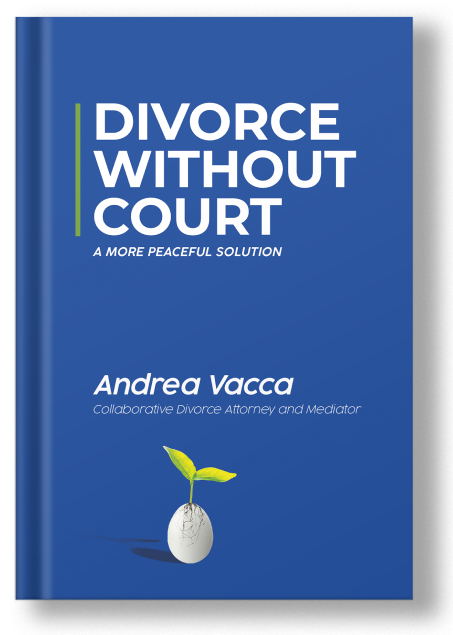
Divorce Without Court:
A More Peaceful Solution

Learn how to keep your divorce out of court with clear, compassionate strategies. This guide covers collaborative divorce, divorce mediation, the benefits of each process, and your first steps toward a peaceful resolution.

Get my Free eBook

"*" indicates required fields

This field is for validation purposes and should be left unchanged.
Name*
Please do not include any confidential or sensitive information in this form Submitting this form does not create an attorney-client relationship.

Child Custody and Parenting FAQs

No. If both parents agree on terms for a parenting plan, the court is likely to accept the terms and incorporate them into the Judgment of Divorce. Once that happens, the terms become legally enforceable. So, you get the best of both worlds—a parenting plan that you and your co-parent created, and one that is fully enforceable by any court in the future.

Yes. Unmarried parents can and should create a parenting plan to clarify custody, time-sharing, and decision-making. Working with a mediator or collaborative attorney can help ensure the terms are comprehensive and enforceable. The court can then incorporate those terms into an Order of Custody.

If agreement isn’t possible through mediation or the collaborative divorce process, a judge will decide custody and parenting time based on what they believe is in the best interest of the child. However, the vast majority of families we work with reach agreements with the right support and communication.

Your plan can—and should—include a process for making changes as your children grow or circumstances evolve. This helps minimize future conflict and encourages flexibility and cooperation.

No. New York law does not require equal time-sharing. Parenting plans are tailored to the child’s best interests and the family’s situation, which may include equal time, primary residence with one parent, or something in the middle—it all depends on what works best for your child.