Divorce and the Sandwich Generation: Balancing Family Caregiving and Divorce Stress
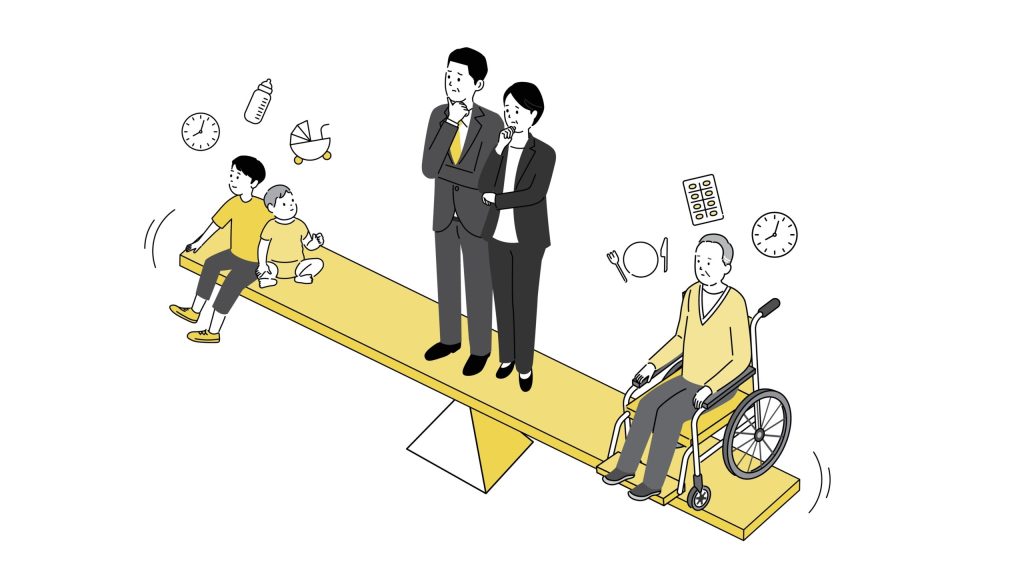
If you’re raising children while also supporting aging parents, you’re likely already at capacity. When divorce enters the picture, it’s natural to feel like you’re stretched too thin. Divorce in this stage of life isn’t just about balancing ending a marriage with caregiving duties. It’s about restructuring a family dynamic and system that can support multiple generations at once.
Why Divorce Is More Complicated for the Sandwich Generation
Divorce often arrives when life is already full. Children still need stability and structure. Parents may need increased support. Financial obligations are typically at their highest.
What makes this harder is that the legal system doesn’t reflect these realities. Courts don’t account for eldercare responsibilities or decision fatigue, yet those pressures influence nearly every divorce decision, from parenting arrangements to financial planning. Without thoughtful divorce planning, people often feel reactive rather than grounded.
Balancing Caregiving and Your Own Capacity
People in the sandwich generation are used to putting others first. During divorce, that instinct can backfire.
When you’re exhausted or overwhelmed, decisions become harder. Conflict escalates more easily. Agreements are made just to get through the moment instead of because they truly work.
Supporting yourself during divorce isn’t indulgent. It’s practical. Protecting your capacity allows you to show up more consistently for your children, your parents, and the process itself.
The Financial Pressure of Supporting Multiple Generations
Divorce can significantly increase financial strain, especially in New York City. Many people find themselves supporting two households while continuing to cover children’s expenses and contributing to a parent’s care.
This can create tension between legal obligations and family expectations. Feelings of guilt or resentment are common, particularly when resources feel limited.
Clear divorce guidance helps bring perspective to these conversations. Understanding what you are legally required to do, what you can realistically afford, and where boundaries may need to be set can reduce long-term stress and conflict.
Why Choosing a Non-Adversarial Approach Matters Here
A litigated divorce often adds pressure at a time when families are already stretched thin. For many sandwich-generation families, divorce mediation and collaborative divorce offer a more workable alternative.
These processes allow couples to:
- Create parenting schedules that reflect real caregiving demands
- Address financial realities with flexibility and transparency
- Reduce conflict and preserve emotional energy
Keeping divorce out of court also protects privacy and allows for more tailored solutions.
Practical Divorce Planning for the Sandwich Generation
Effective divorce planning accounts for the life you’re actually living, not just legal theory. That often includes:
- Documenting caregiving responsibilities early
- Building flexibility into parenting and holiday schedules
- Planning for how caregiving needs may evolve over time
Agreements shaped with this broader context tend to be more sustainable and require fewer changes later.
A More Sustainable Way Forward
Divorce can overwhelm you even more when you’re already caring for others, and you may feel pressure to hold everything together without asking for help. With the right approach, it’s possible to move through your divorce in a way that respects your responsibilities while protecting your own well-being.
If you’re balancing divorce and family caregiving, we invite you to start a conversation with our team. Whether you’re gathering information or considering next steps, a thoughtful discussion can help you feel steadier about what comes next.